Segnisiter continuus
Wonbin’s Field Note on Segnisiter continuus
Segnisiter continuus, their continuous steady motion is so captivating, and it always calms my mind. I often think it is one of my best meditations to watch them. Then my mind starts to stretch out like branches that bear a lot of questions. The first question tangled in my mind was about their rotating limbs. I thought it was two legs at first, but I was not sure, because I realized those could be the arms.
If those are legs, do they not have arms? Is that because they do not need arms, only legs, because continuous locomotion is the most important thing for them and it requires only legs? On the other hand, if those are arms, I thought their rotating arm is actually the gesture of trying to grab the ground or the earth, and that unintentionally creates the dragging of their body, and that makes the continuous forward movement.
Or the more proper answer might be “It does not matter,” or “It is not relevant.” The distinction between arms and legs might be too human centered, and it could be my fault to apply that to Segnisiter continuus. It could be their brain or tongue or something else. Or that careless thinking might even be too biological and organism centric, not just human centric. It might be completely outside our perspective. I still do not know.
The largest and the most mysterious question is where they go. I observed and followed them for a long time but could not figure out where they are trying to go or why they keep moving. All individuals ended up in different locations, pavements, alleys, stairs, doors, etc, and there was no concrete relation between the places. One thing I did find is that they never stop until death.
Often I found some of them moving against a wall. I thought they were stuck because they could not change direction and their body was exactly ninety degrees against the wall, but I also was not sure if they were trying to climb the wall. Some of them were flipped due to contact with obstacles, and sometimes debris on the street got stuck on their limbs and restricted or stopped their motion. Even these did not stop their eagerness for motion and movement.
I heard some unconfirmed reports about a subspecies of Segnisiter continuus, so I will follow them.
| Image library (video stills) | |
|---|---|
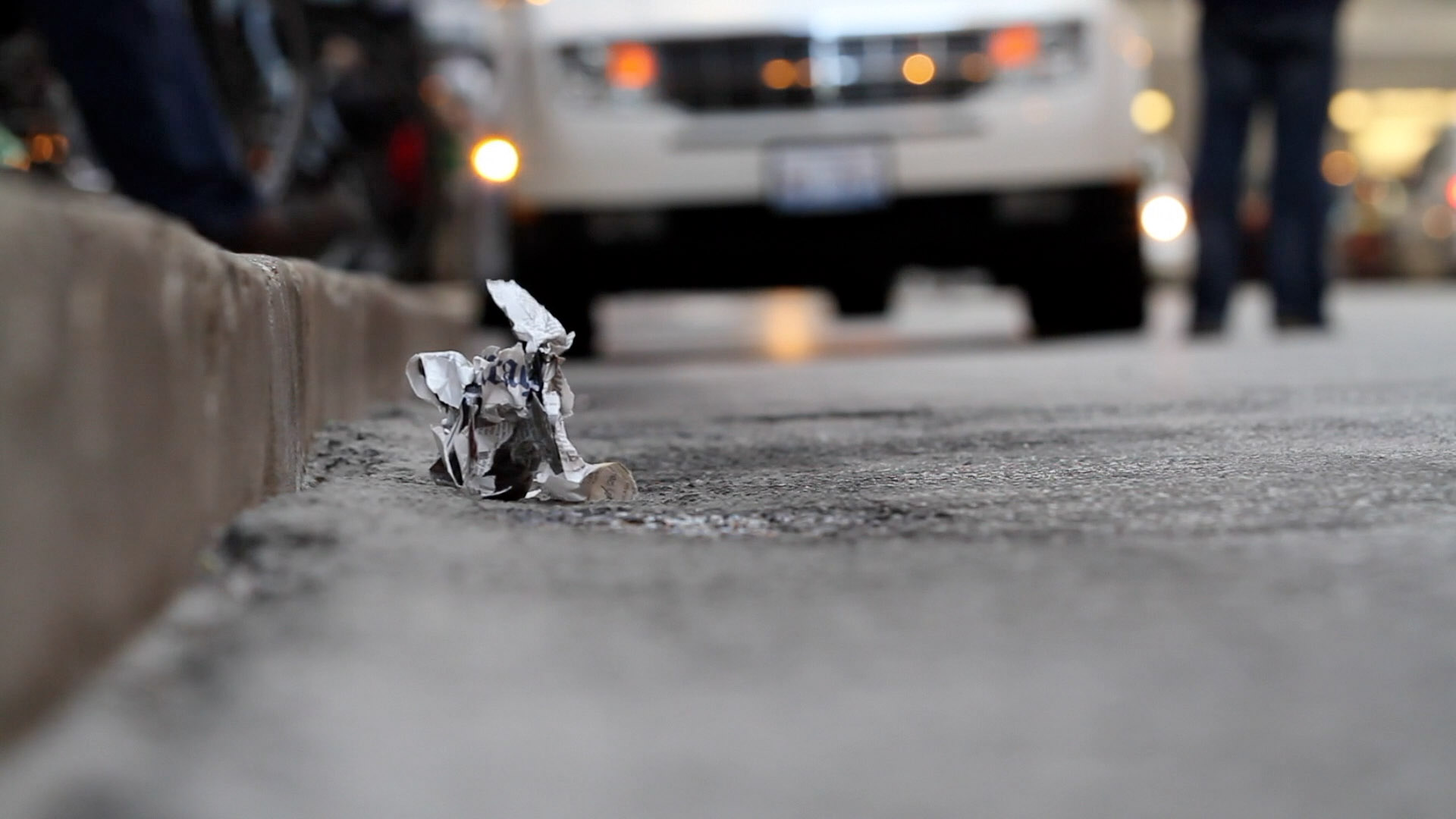
Figure 1 — Anterior view along curb edge |
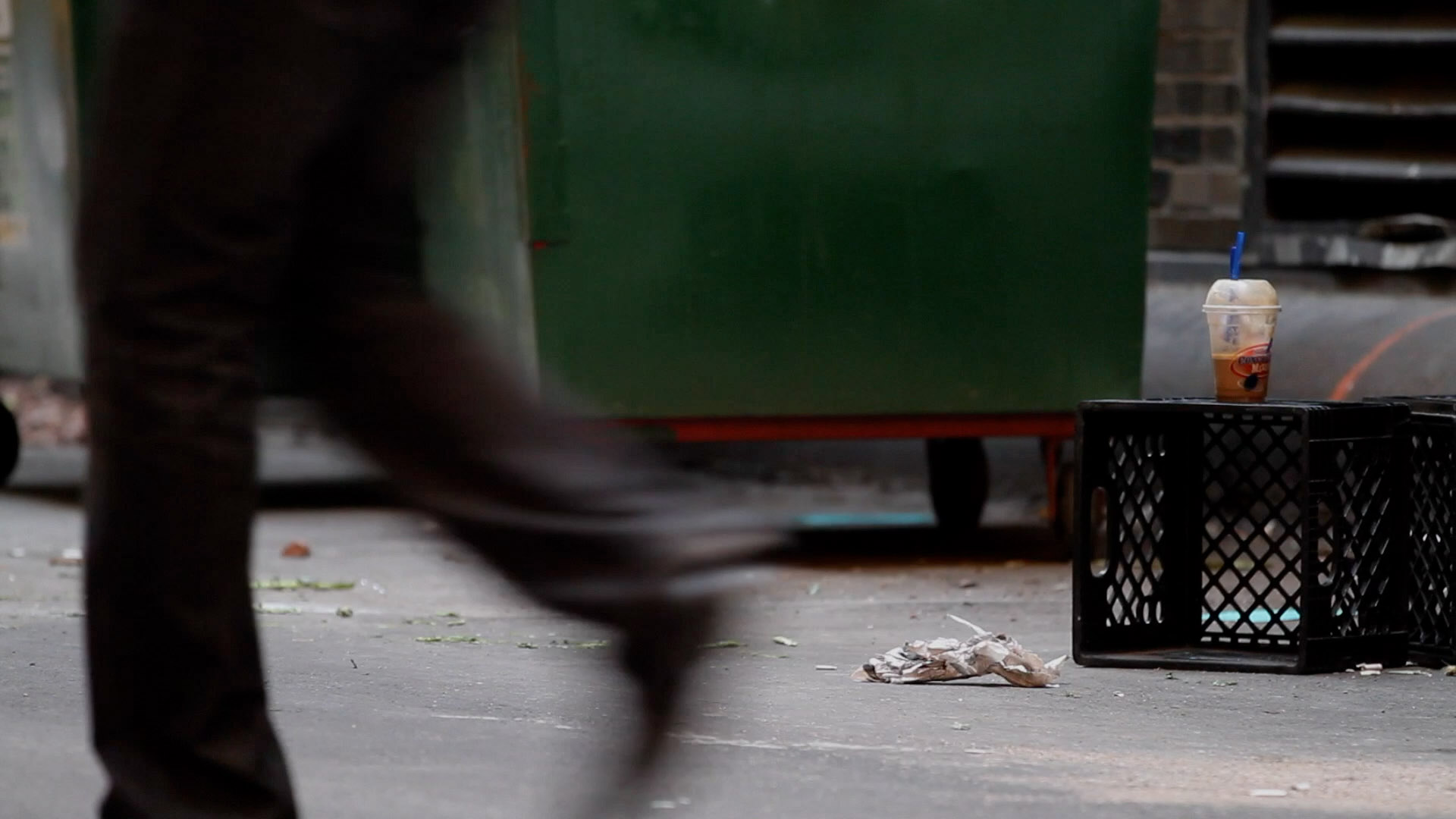
Figure 2 — Movement through alley debris |
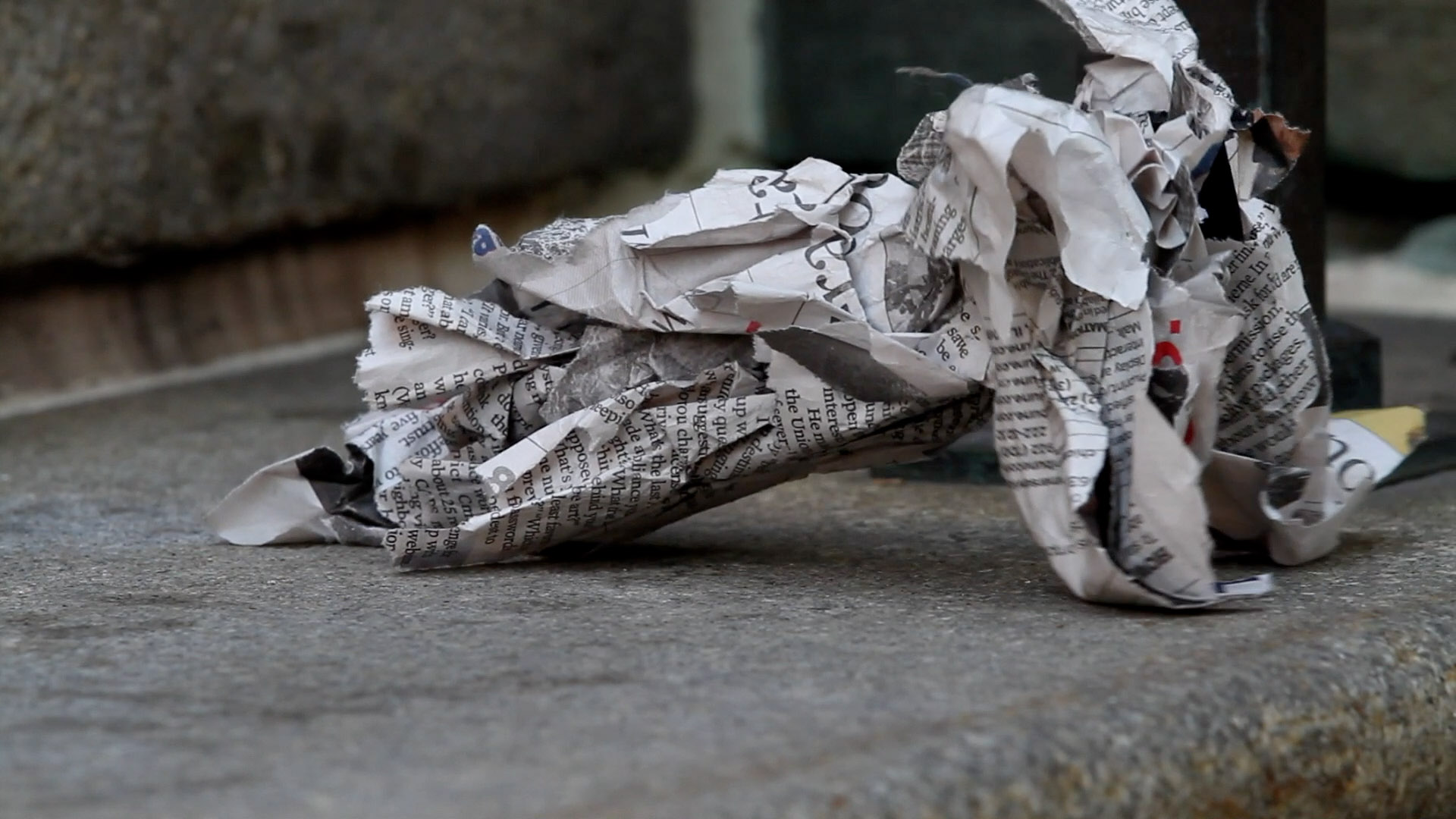
Figure 3 — Integument and surface structure |
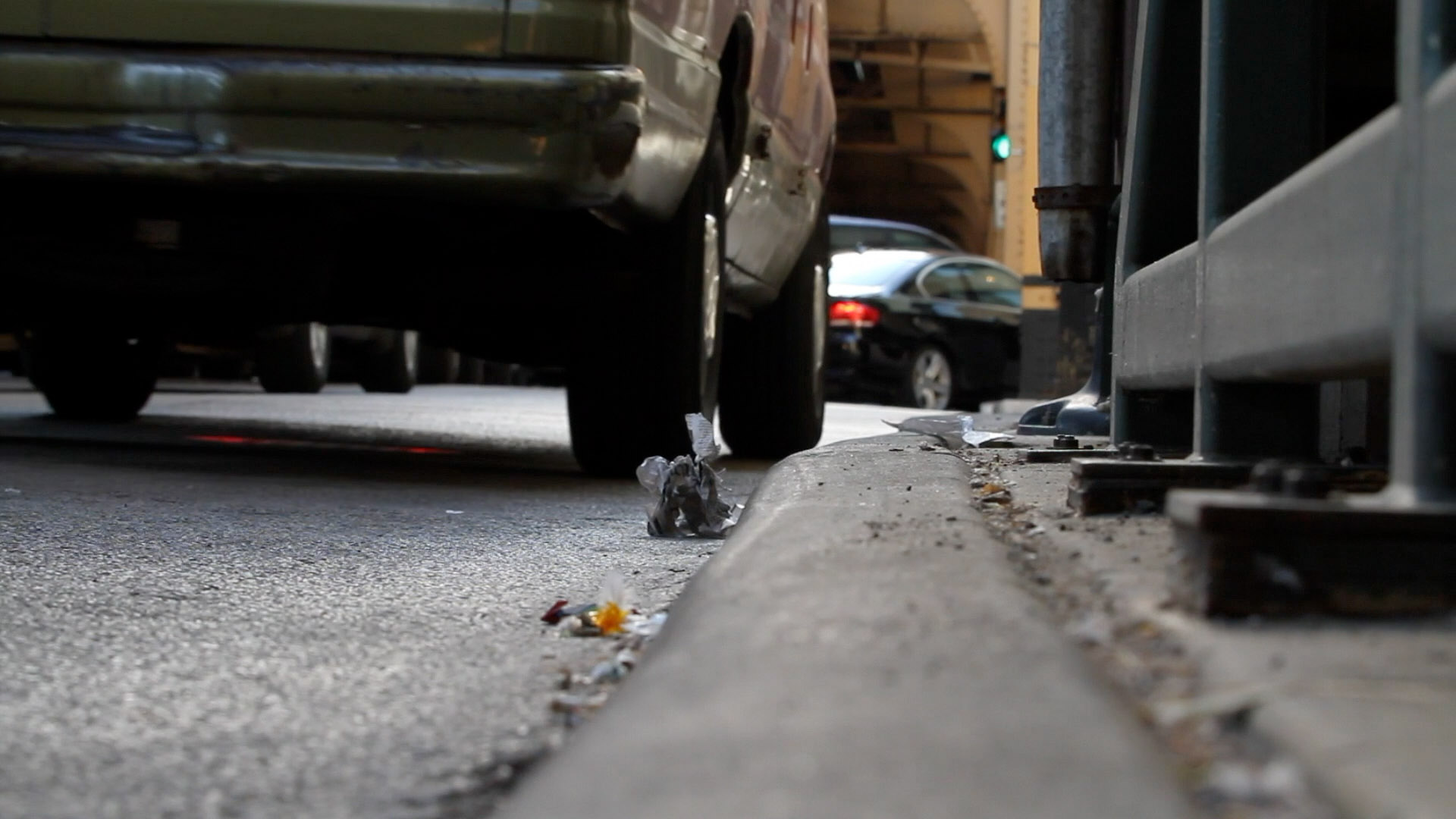
Figure 4 — Behavior near structural boundaries |
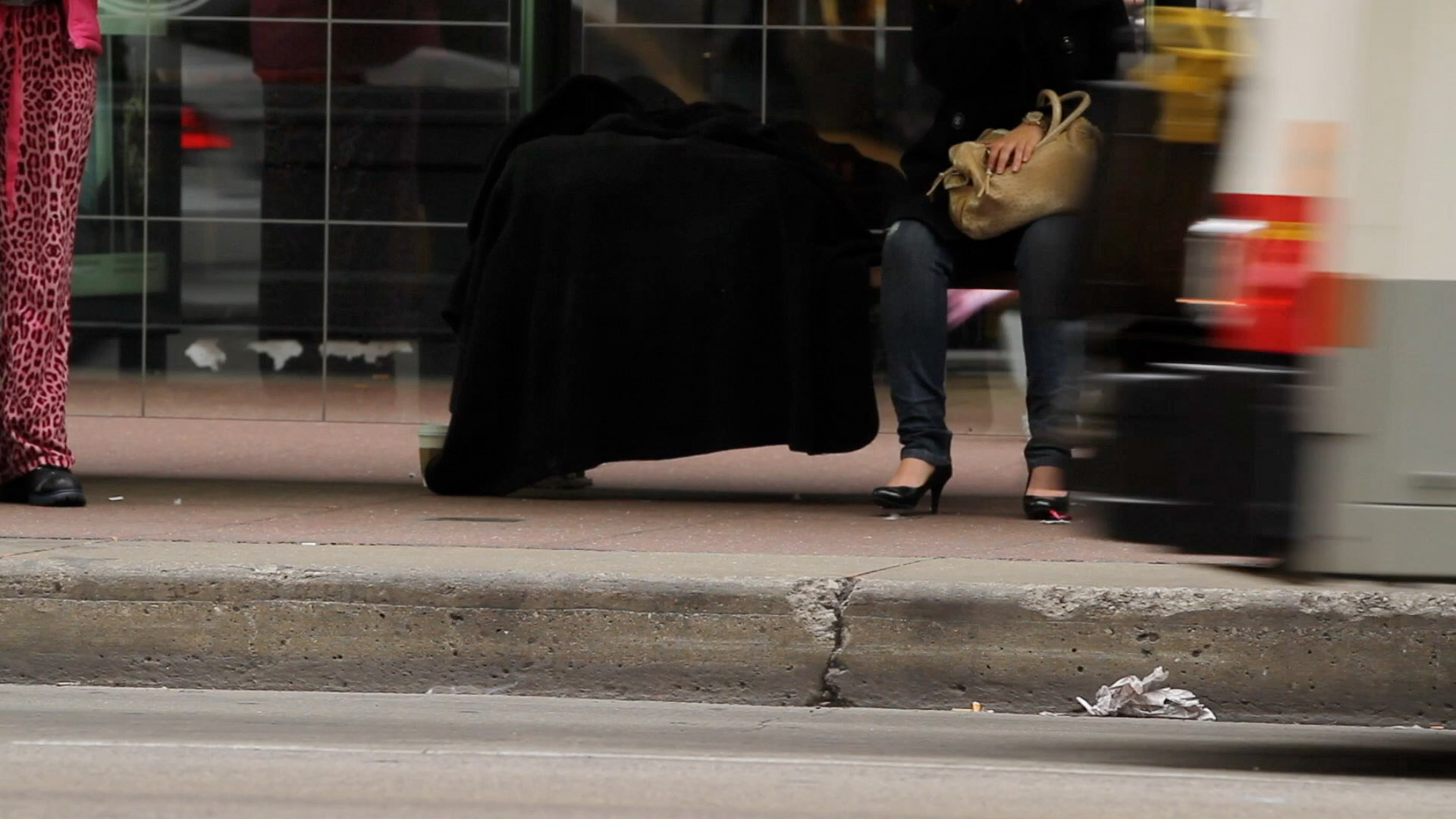
Figure 5 — Proximity to stationary humans |
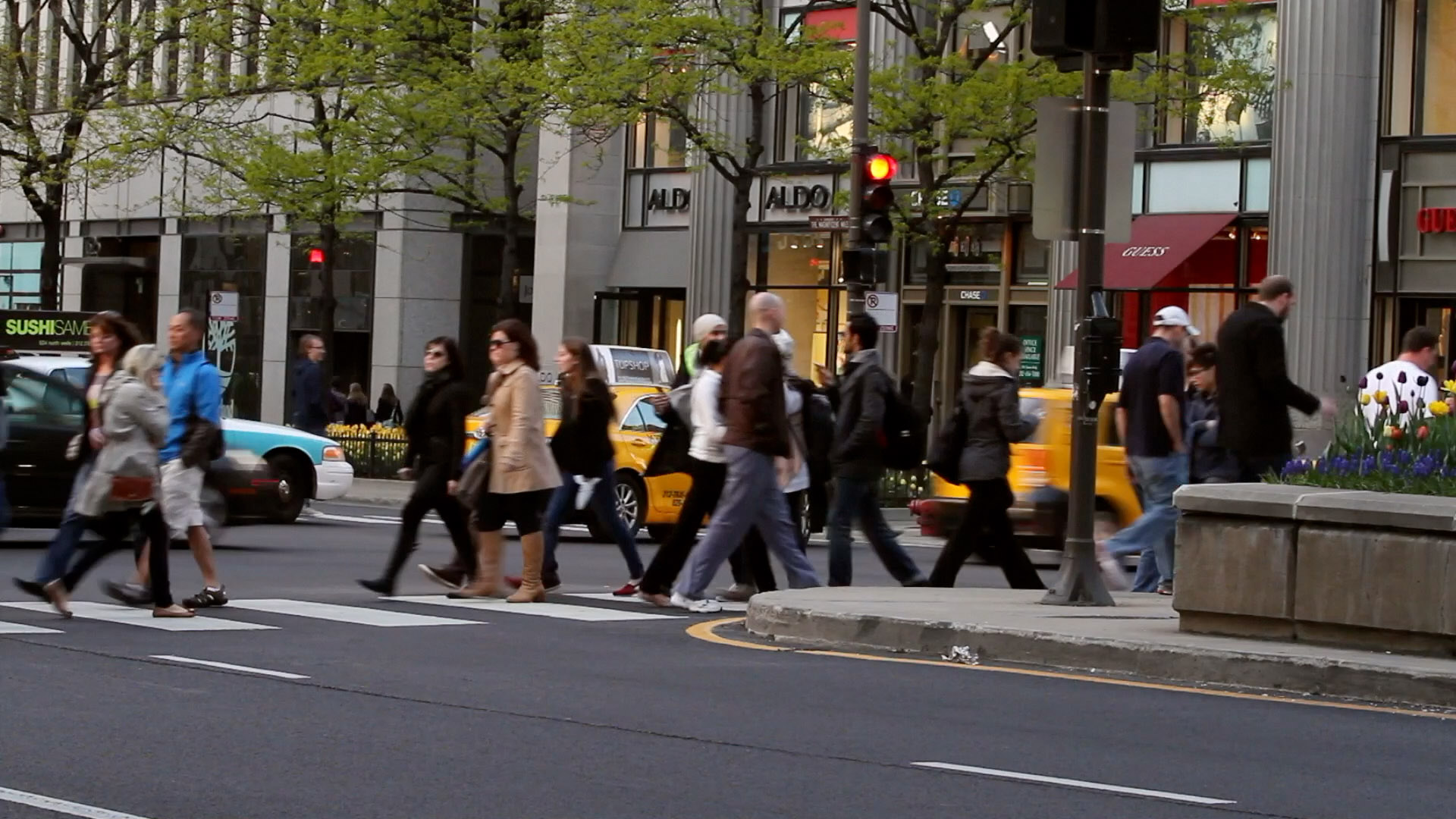
Figure 6 — Long-range movement trajectory |
The field note above reflects an individual observer's account and should not be regarded as scientific fact. The following species card contains the accepted descriptive information.
About Segnisiter continuus
Segnisiter continuus is a small urban dwelling species characterized by two specialized locomotive appendages known as continuum legs. These appendages rotate in a steady, unidirectional pattern, allowing the species to move with continuous forward motion along the edges of human environments. Individuals are most frequently observed at street corners, roadsides, and other transitional urban spaces.
The body of Segnisiter continuus is formed from densely layered newspapers that create its internal structure, while the outer surface consists of thin, shredded newspaper strips arranged in a feather-like pattern. This composition gives the species a lightweight and textured form, making it sensitive to wind, moisture, and surrounding activity. Despite this fragility, the species maintains uninterrupted movement throughout its life.
Its movement follows a fixed inherent direction that does not change during its lifetime. The species is solitary and seldom interacts with others of its kind, and it is primarily noted for its continuous progression through urban space.
| Specimen card — Segnisiter continuus | |
|---|---|
| Series | Species series |
| Record Authority | Consortium for Indeterminate Lifeforms (CIL) |
| Specimen | Segnisiter continuus (Urban-edge locomotor) |
| Proposed Classification |
Kingdom: Indeterminata Phylum: Improvisa Class: Motilia Order: Ambulatoria Family: Rotasporae Genus: Segnisiter Species: continuus |
| Habitat & Range | Occurs along ground infrastructure interfaces, including curb margins, alley corridors, concrete seams, and peripheral pedestrian routes. Requires a continuous, stable, planar surface to support uninterrupted locomotion. Distribution appears opportunistic within human altered urban terrain. |
| Morphology | Internal body structure composed of densely layered cellulose (newspaper) compressed into a cohesive core. External integument formed from narrow, feather like strips of shredded paper aligned longitudinally. Two specialized locomotive appendages, formally classified as continuum legs, extend from the ventral region. Each leg rotates in a continuous, unidirectional cycle without joints or segmental differentiation. No sensory organs, metabolic structures, or internal compartmentalization have been identified. |
| Locomotion | Movement is produced by the rotary action of the continuum legs, generating low profile forward translation close to the substrate. Direction of travel is fixed at the moment of initial observation and does not change voluntarily. Path deviation occurs only through interaction with external obstacles, uneven surfaces, or physical displacement. Locomotion ceases upon structural failure. |
| Material Composition | Primary components include recycled cellulose fibers with an unidentified binding medium. Surface layers may accumulate particulate debris through prolonged environmental contact. No intrinsic biological processes, adhesive secretions, or self-generated materials have been documented. |
| Behavioral Ecology | A solitary mover with no recorded interaction between individuals of the species. Exhibits no observable response to human presence, vocalization, or minor airflow disturbance. Susceptible to alteration of trajectory by strong wind or direct mechanical interference, but overall behavioral pattern remains unchanged. Movement persists until complete loss of structural integrity. |
| Life Cycle | Documented exclusively in a fully formed, active state. No developmental stages, pupation, or reproduction have been observed. Longevity is limited by progressive deterioration of the cellulose structure due to moisture absorption, abrasion, and collision with surrounding architecture. |
| Vulnerabilities | Highly sensitive to water saturation, tearing, and entanglement with street debris. Structural failure results in immediate cessation of locomotor function. Specimens exhibit pronounced fragility under compression or sustained impact. |
| Collection Notes | Physical specimens of Segnisiter continuus can be preserved, but only under controlled conditions that stabilize the organism’s fragile structure. Successful archiving requires immediate support of the body and minimal disturbance to the continuum legs. Scientific collections rely on specimen display cases prepared under these conditions, supplemented by field video documentation and still imaging recorded during natural movement. |