Would You Like to Walk with Me is an ongoing photographic project that records everyday observations through photographs and short essays. Photographs and short essays are organized into small chapters, gradually becoming a lifelong archive of moments and thoughts.
Many of the photographs are produced through a recursive photographic process. A camera photographs a scene, another camera photographs the first camera's display, and the process may continue through additional cameras or repeated cycles between cameras. Although the act of photographing is recursive, the image itself is not understood as repetition. It is understood as a passage through different worlds.
The project approaches every camera as a distinct perceptual system. Each camera perceives, processes, stores, and projects an image according to its own material existence. Every photographic system opens its own world, producing a particular reality rather than merely recording an objective one. As an image passes from one camera to another, it is continually reconstituted through different ways of seeing. The resulting photograph is therefore not a copy of an original image, but the accumulated history of an image moving through multiple perceptual worlds.
This process reflects a broader inquiry into memory and identity. A remembered moment is never encountered directly but through successive acts of perception, each shaped by different conditions and perspectives. Likewise, the original scene gradually recedes as the photograph continues its passage through different photographic worlds. By the time the viewer encounters the final image, the original scene already exists several worlds away. The final photograph no longer belongs exclusively to the moment it first recorded. It exists as a new reality, carrying within it the traces of every world through which it has passed.
The project embraces a wide range of photographic tools, including early consumer digital cameras, webcams, computers, toy cameras, and film. Their differences are not treated as imperfections or historical artifacts but as distinct ways of existing. Every camera contributes its own world, and the photograph becomes the accumulated history of an image traveling through multiple realities. Together with the accompanying essays, the work gradually forms a lifelong archive that examines perception not as the recording of reality, but as the continual creation of worlds.
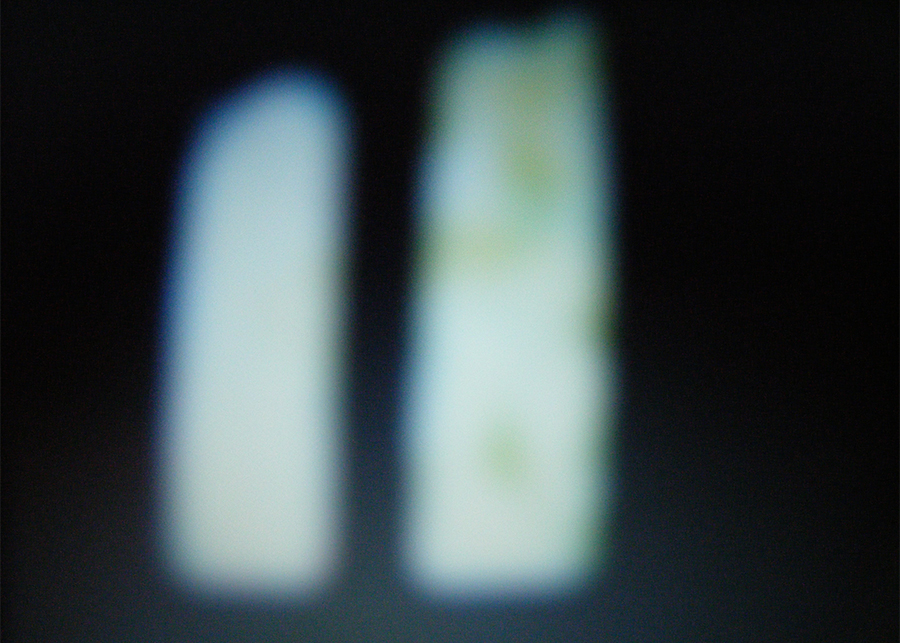
Figure 1. Light and the Dark (2026) from the Would You Like to Walk with Me series.
2026
 Wonbin's YouTube Channel