Photographs and notes from the Burpee Museum of Natural History, Rockford, Illinois: Fossils, specimens, dinosaurs and a look inside the laboratories.
Fossils and specimens
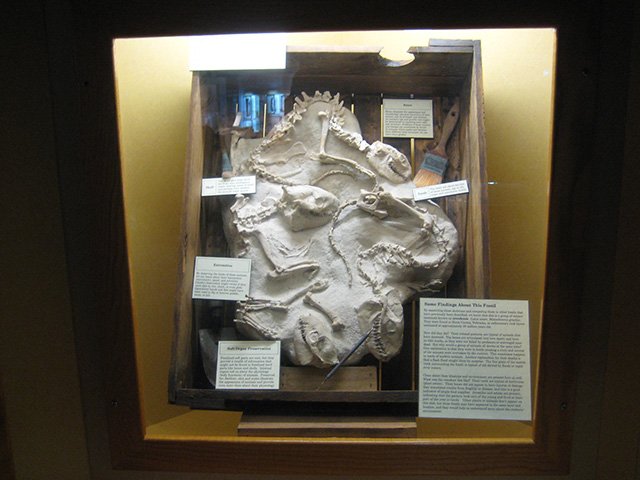
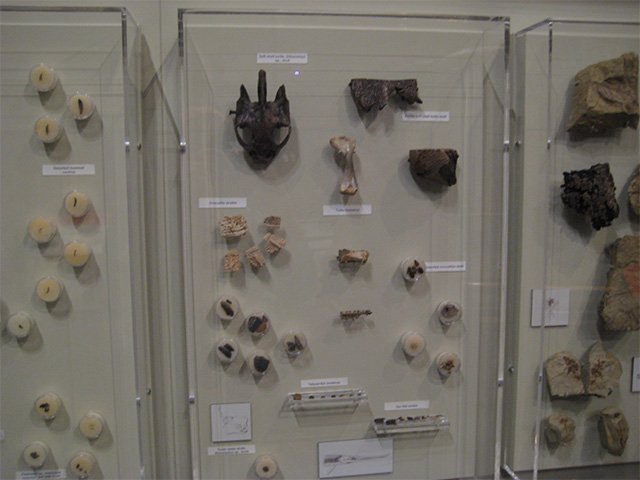
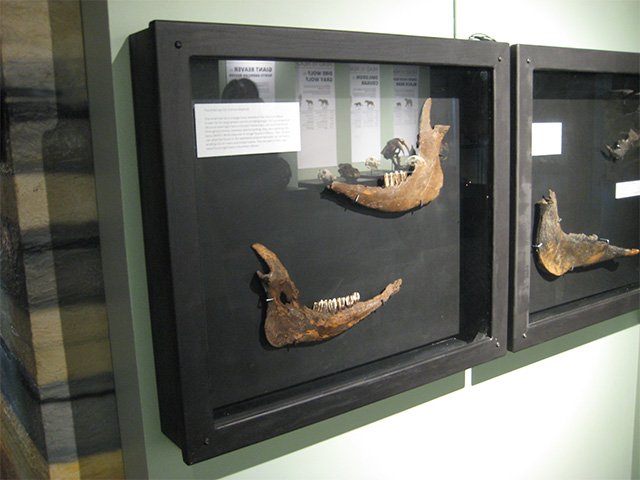
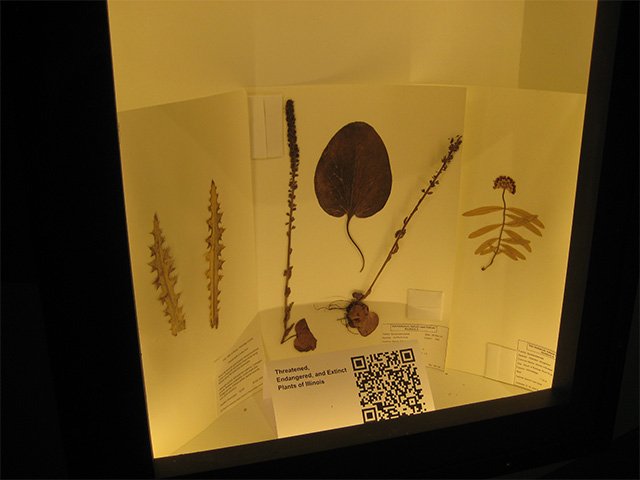
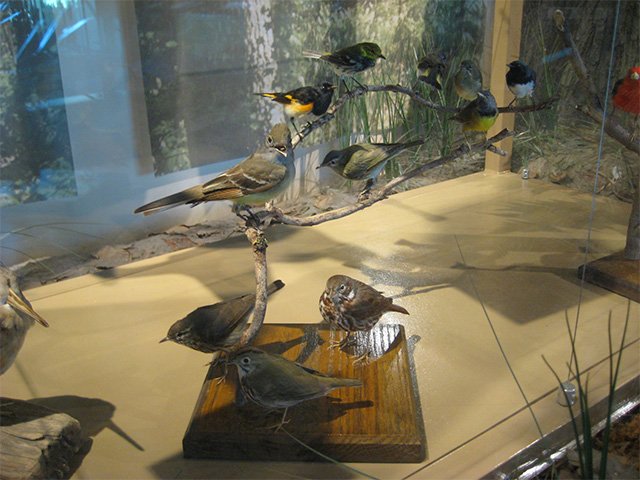
A group of fossil mammal skeletons preserved together in a slab, arranged in a wooden crate with brushes and tools, suggesting a fieldwork setup.Small fossils and fragments, each given its own place in the display. The close arrangement makes their differences in size and shape easy to compare.Fossil jaws displayed side by side, with rows of teeth still visible.A display of threatened, endangered, and extinct plants of Illinois. It reminded me of making a plant specimen collection at a summer camp at Seoul Grand Park Botanical Garden, in 1989, as I remember. We dried the plants between the pages of large sketchbooks. I wish I still had those specimens.Bird specimens arranged on branches behind glass—a close view of their different beaks, feathers, and body shapes.
Dinosaurs
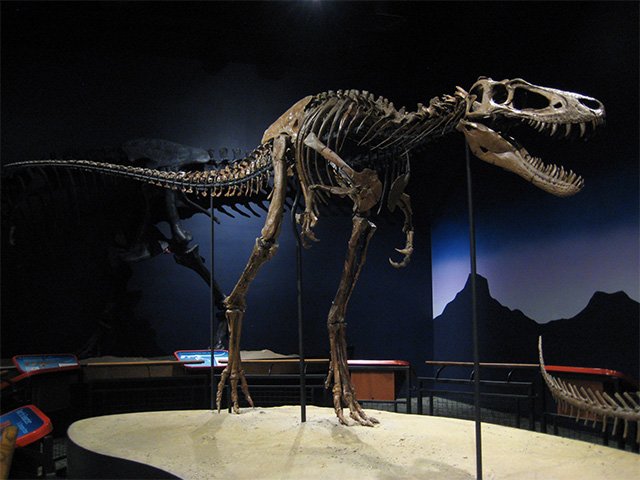
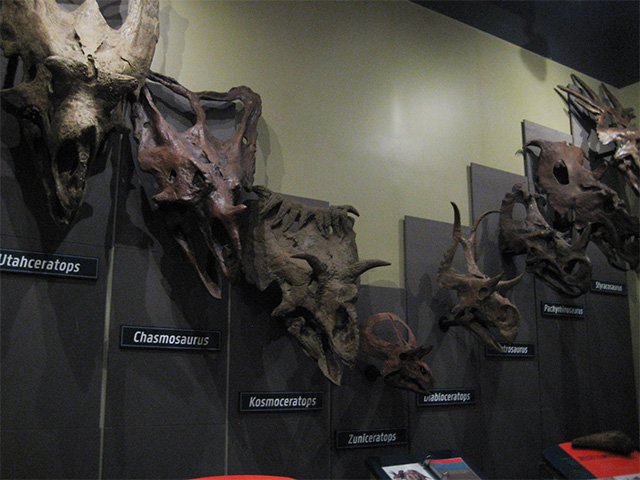
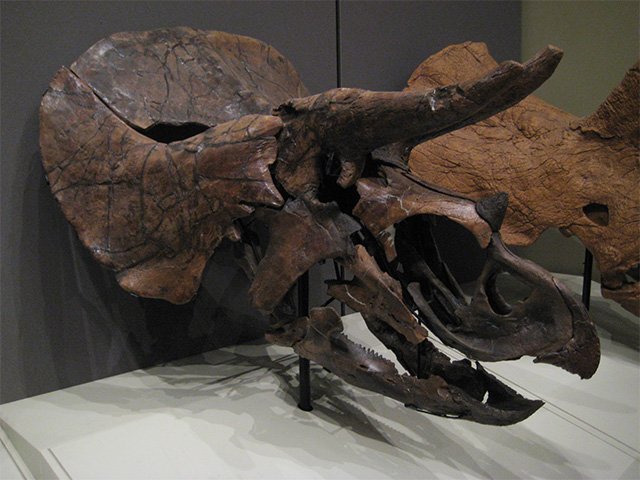
Jane, a juvenile tyrannosaur discovered in the Hell Creek Formation of southeastern Montana in 2001 by Carol Tuck and Bill Harrison, members of a Burpee expedition led by Michael Henderson. A 2025 study identifies Jane as Nanotyrannus lethaeus. Discovery account; Burpee’s Jane exhibit; 2025 study.A wall of horned dinosaur skulls, including Chasmosaurus, Kosmoceratops, and Zuniceratops. Seen together, their different horns and frills are striking.Homer, a subadult Triceratops from southeastern Montana. This is the actual fossil skull. Burpee spent more than eight years bringing Homer from discovery near Ekalaka to preparation and exhibition. About Homer.
Inside the laboratories
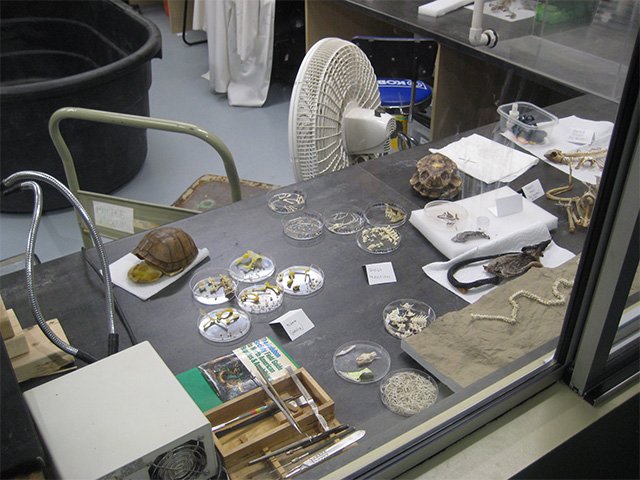
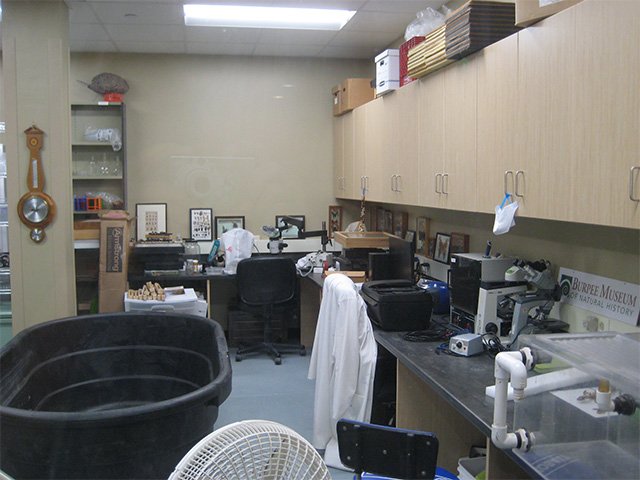
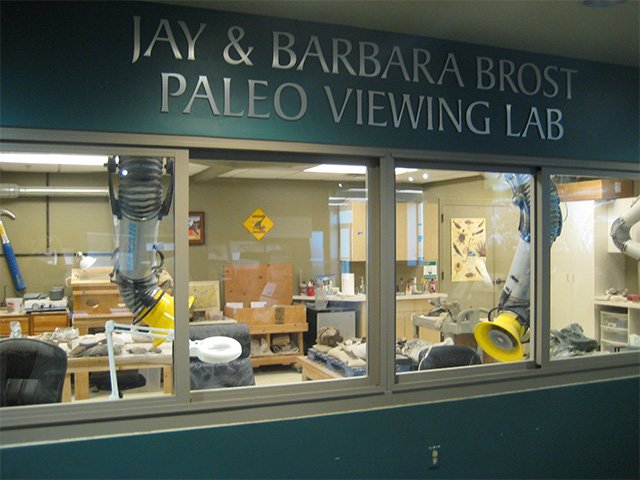
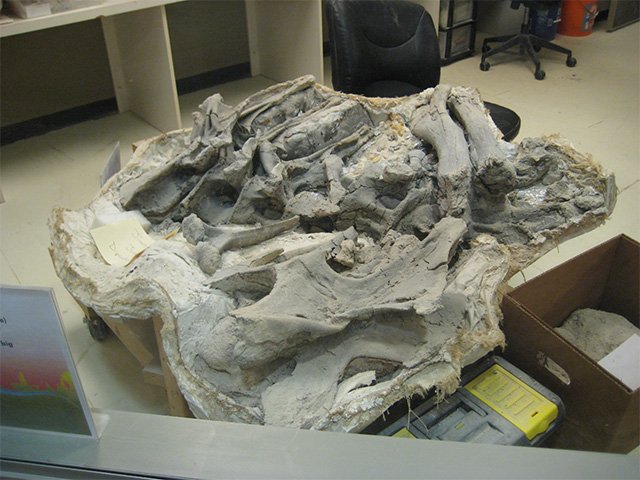
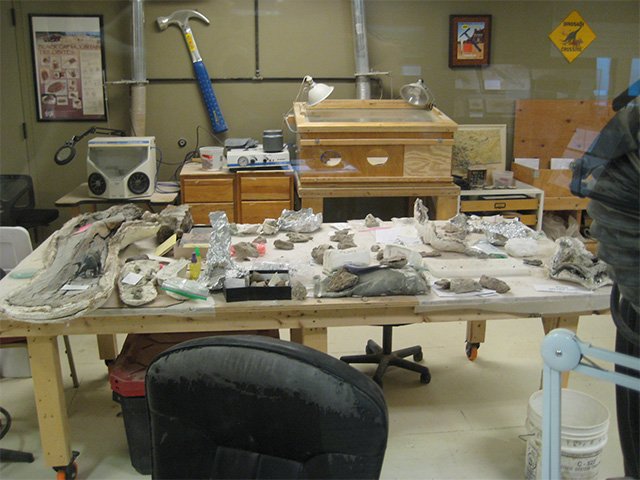
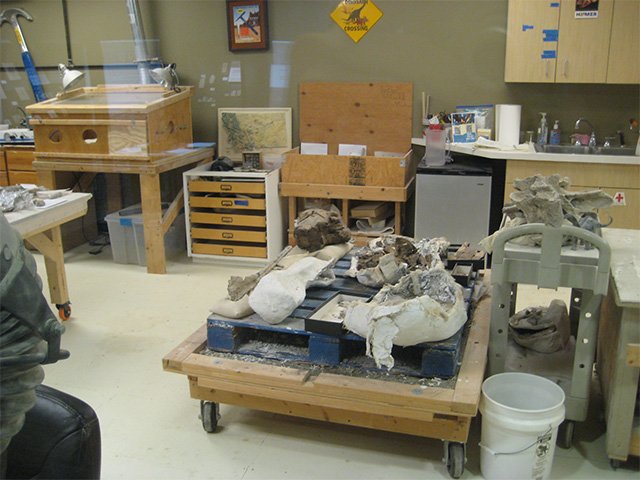
Turtle shells, skeletons, and tiny bones arranged on the laboratory bench. Thank you to the scientist who took the time to tell us about these skeletons and the stories behind them. Burpee’s biology lab prepares specimens for its osteology, or skeletal, collection. About the biology lab.Specimen cabinets and workbenches line the laboratory, with microscopes, containers, and tools close at hand.The Jay & Barbara Brost Paleo Viewing Lab. Behind these windows, fossils are prepared for research and display by carefully removing the surrounding rock. About the paleo lab.Fossil material in an open field jacket. A cervical vertebra—a neck bone—from Jimmy, a juvenile Diplodocus. Jimmy was discovered at the Hanksville-Burpee Quarry in Utah in 2011. Report of Jimmy’s discovery.A workbench covered with fossils and preparation tools. Removing the rock around fragile bones can take months or even years. Fossil preparation at Burpee.Large fossil jackets resting on carts in the preparation lab, with portions opened to expose the material inside.
 Wonbin's YouTube Channel